
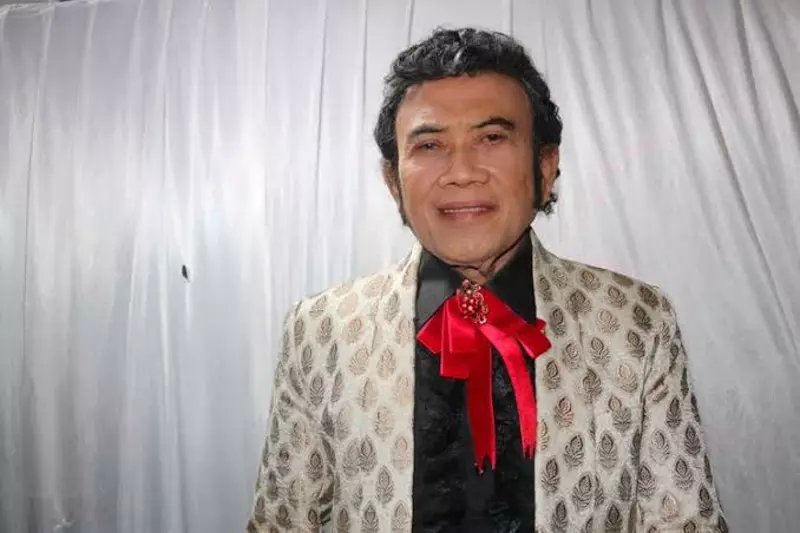
Influence Profile
No genre data available
Genre information will appear here once available
Trending in Rhoma Irama’s World
Latest Album
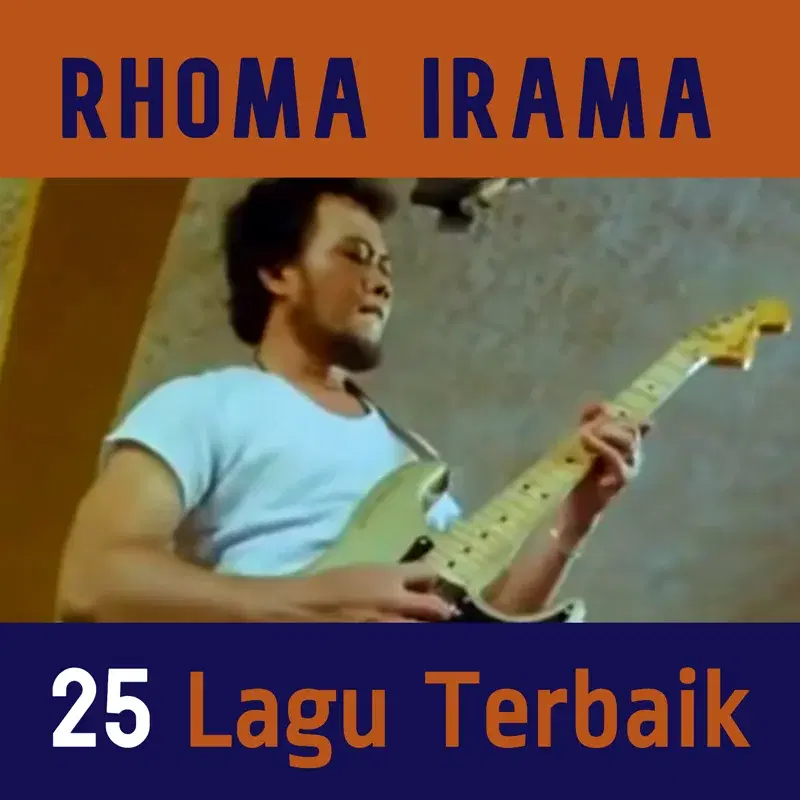
25 Lagu Terbaik
Released Sep 12, 2023
Trending Globally
No trending songs available.
Story
Quick Facts
Born
1946
1946
From
Indonesia
Indonesia
Journey
Rhoma Irama, born Raden Haji Oma Irama in Tasikmalaya, West Java, Indonesia, is a guitarist, vocalist, songwriter, actor, and one of the most consequential figures in the history of dangdut music. Widely known as the “King of Dangdut,” he transformed dangdut from a regional popular style into a national cultural force and became its most recognizable ambassador.
Irama began his musical career in local bands during the 1960s, drawing inspiration from Malay music, Indian film songs, Arabic devotional traditions, and Western rock. His breakthrough came with the formation of Soneta Group, the ensemble through which he developed a distinctive dangdut sound that fused Western instrumentation, Malay melodies, and Bollywood-influenced rhythms. That cross-cultural approach helped define modern dangdut and introduced the genre to audiences across Indonesia and beyond.
His best-known songs include “Begadang,” “Judi,” “Darah Muda,” “Keramat,” “Terajana,” and “Gitar Tua,” recordings that combined infectious rhythms with themes of morality, social life, spirituality, and everyday experience. Beyond music, Irama became a major film star through musical films such as “Begadang,” “Darah Muda,” and “Berkelana,” which further expanded his influence.
Throughout his career he collaborated with leading dangdut singers including Elvy Sukaesih and Evie Tamala, strengthening his presence across the genre’s most celebrated recordings. His catalog also includes the collection “25 Lagu Terbaik,” released through E. N Digital, which remains an accessible entry point for new listeners discovering his work.
Rhoma Irama’s impact extends beyond entertainment. Through Soneta Group he promoted music as a vehicle for cultural values, religious reflection, and social commentary, making dangdut both popular entertainment and a medium of public expression.